
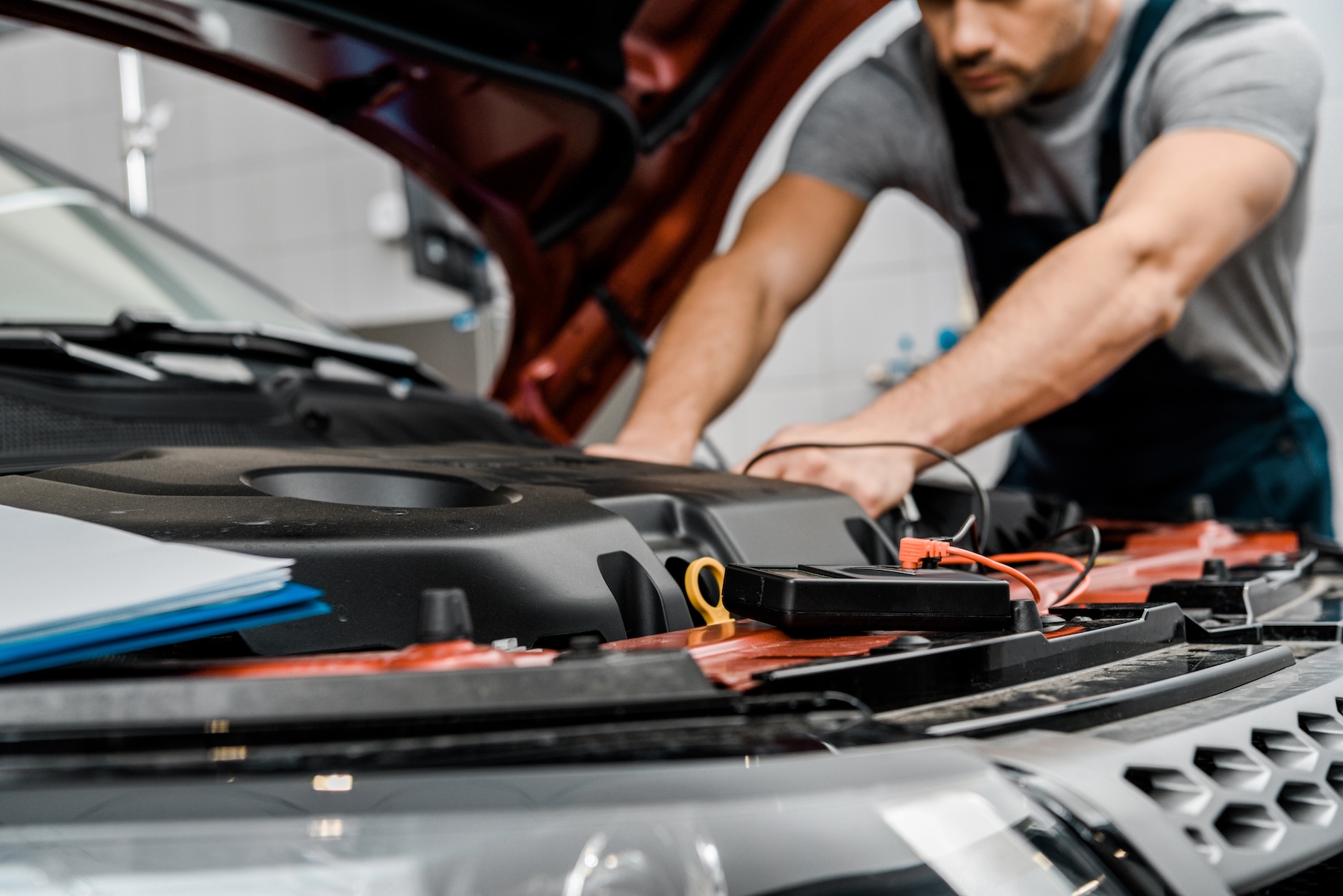
The new reality is that cars are smarter and repairs are pricier. Preventative car maintenance saves money, and there’s no dispute about that. Vehicles are more advanced than ever, packed with sensors, driver-assistance tech, and intricate electronics. However, this innovation comes with a catch: when things break, they cost far more to fix. Consequently, a small issue, such as a neglected oil change or a worn belt, can now snowball into a repair that empties your savings.
Thinking ahead has never been more important. Instead of reacting to breakdowns, drivers are learning to treat maintenance like an investment. By planning a realistic car maintenance budget, you protect not only your vehicle’s health but also your long-term financial stability.
Preventive Car Maintenance: The Habit That Pays You Back
Preventive car maintenance may sound technical, yet it boils down to simple, consistent habits. Regular oil changes, tire rotations, fluid checks, and brake inspections keep your car running efficiently. As a result, each visit to the shop becomes a small, predictable expense rather than a shocking emergency bill.
These days, drivers can leverage connected-car apps and digital service records. These tools remind you of upcoming services and help you compare prices. When you align these reminders with your car maintenance budget, you avoid surprises and keep every dollar working in your favor.
Preventive care boosts fuel efficiency and extends component life. Well-maintained engines burn less fuel, and properly inflated tires wear evenly and grip better. Over a year, these small savings accumulate, turning routine maintenance into visible cash left in your wallet.
From Breakdown Costs to Budget Wins
Unexpected breakdowns are not only stressful, but also expensive. A neglected coolant leak can lead to engine overheating, while ignoring brake noises can result in a full brake system overhaul. With specialized parts and labor rates on the rise, these avoidable repairs can easily exceed the cost of several years of routine services.
To avoid this financial trap, shift your mindset from “fix it when it breaks” to “protect it so it doesn’t break.” Start by mapping out an annual car maintenance budget that includes regular services, seasonal checks, and a small buffer for minor repairs.
To begin creating your budget:
- First, review your car’s service schedule and list the routine items like oil changes, filter replacements, and brake inspections along with their typical costs.
- Next, divide the year into seasons and note weather-related needs such as tire rotation, battery health checks, or coolant checks for summer, and heater checks for winter.
- Estimate these costs using past invoices or average shop prices, then total them to get your yearly figure.
- Finally, add a 10–15% cushion for unexpected but minor fixes like replacing a headlight or repairing a chipped windshield. Setting aside this amount monthly or per paycheck keeps the budget manageable and ensures you’re ready for any maintenance curveballs.
- Review it every few months and adjust as your driving habits or mileage change.
Ultimately, loving your car means treating it with consistent care, not last-minute rescues. In doing so, you also show some love to your wallet. Preventative car maintenance transforms your vehicle from a potential money pit into a dependable partner, one that carries you through this year and beyond without draining your finances. Contact us today, and we can take this task off your hands.