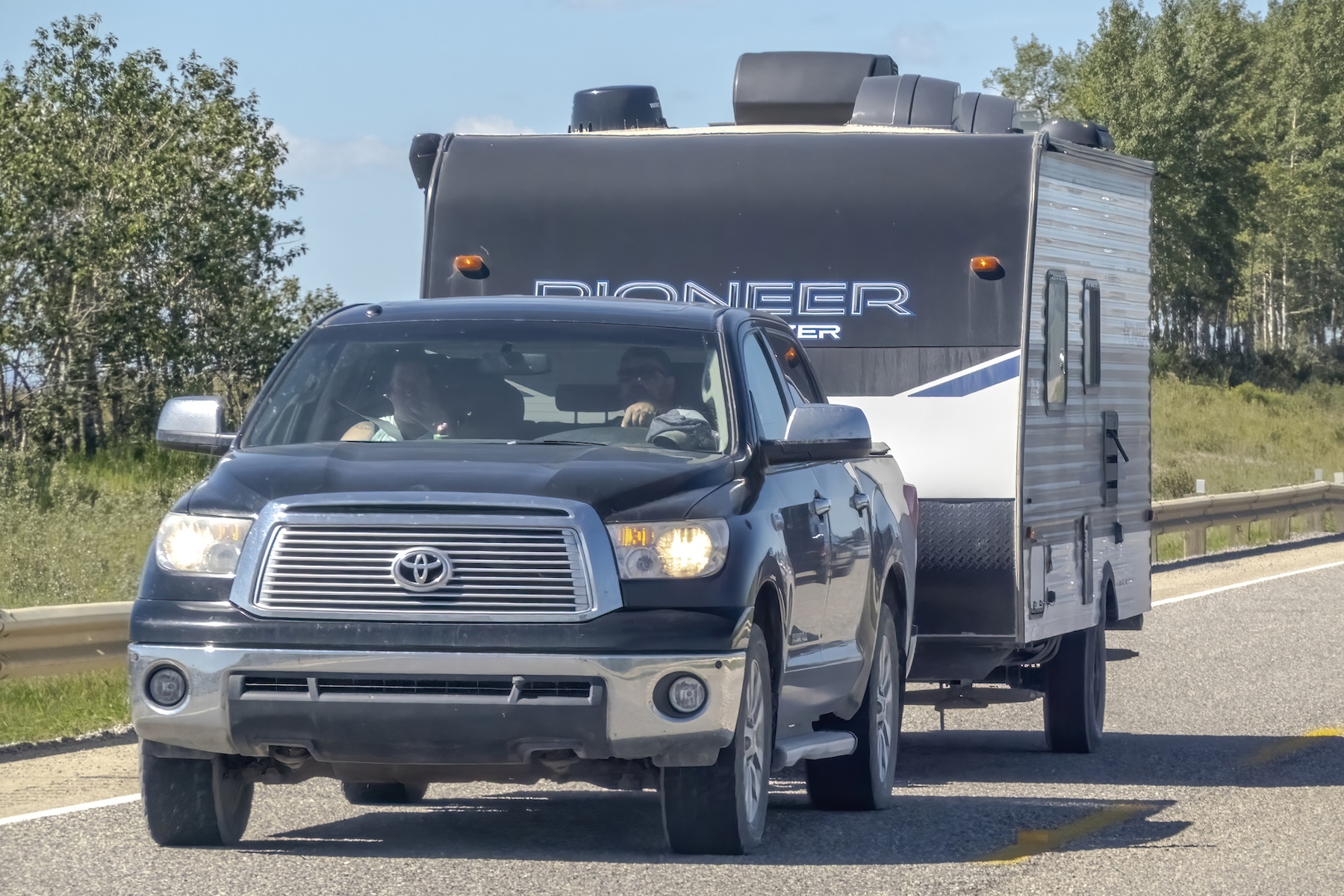
Towing in Arizona heat is tough on any vehicle especially in Phoenix where pavement temps soar and long grades, stop-and-go traffic, and constant A/C use add extra strain. Whether you’re pulling a camper, boat, utility trailer, or work equipment, your transmission and cooling system are doing far more work than during everyday driving. The good news: a few preventative steps can dramatically reduce the risk of overheating and expensive breakdowns.
Why Towing Raises Temperatures
When you tow, your engine produces more heat because it’s working harder to move extra weight. At the same time, your transmission generates additional heat while it manages higher load, more frequent shifting, and torque conversion. Heat is the #1 enemy of transmission fluid. Once fluid gets too hot, it thins out, loses lubricating ability, and can’t protect internal components as effectively. That’s when wear accelerates and failures become much more likely.
Your cooling system also has to keep up with that added load while ambient temperatures are already high. Any weak point such as low coolant, an aging radiator, a sticky thermostat, a partially clogged condenser, or a tired fan can become a tipping point during towing.
Protect Your Transmission
Your transmission takes the biggest hit when towing, especially in Phoenix heat where fluid temperatures climb fast. A few small driving adjustments can significantly reduce strain, keep transmission temps under control, and help prevent premature wear.
- Use tow/haul mode (if equipped): Tow/haul changes shift strategy to reduce gear hunting and excessive heat. It’s one of the easiest ways to help your transmission survive heavy towing.
- Avoid overdrive on long grade: If your vehicle is constantly shifting up and down, manually selecting a lower gear can stabilize RPM and reduce heat buildup.
- Watch for warning signs: A burning smell, slipping shifts, shuddering, delayed engagement, or a transmission temperature warning light are signs to stop and address the issue before damage spreads.
- Don’t exceed your ratings: Stay within your vehicle’s tow rating, tongue weight limits, and payload capacity. Overloading raises heat dramatically and can overwhelm both transmission and cooling capacity.
- Consider a transmission cooler. Many tow packages include upgraded cooling; if yours doesn’t, an auxiliary transmission cooler can be a smart investment for frequent towing in Phoenix.
Protect Your Cooling System
When you’re towing, your cooling system has to handle higher engine load while battling extreme outside temperatures. Making sure every component is working properly before you hook up a trailer is the best way to avoid overheating on the road.
- Check coolant level and condition: Low coolant reduces heat transfer. Old coolant can lose corrosion protection, contributing to radiator or water pump issues.
- Inspect the radiator and condenser for blockage: Arizona dust, bugs, and debris can restrict airflow. Also, bent fins can reduce cooling efficiency.
- Make sure fans are working properly: Electric fans that don’t engage at the right temperature, or a weak fan clutch on older setups, can cause overheating at idle and in traffic, which is common when towing.
- Confirm the thermostat and water pump are healthy: A thermostat that sticks or a water pump with a worn impeller can limit circulation, especially under load.
- Use the A/C wisely on steep climbs: On extreme heat days, turning A/C down or off temporarily during a long uphill pull can reduce heat load and help stabilize engine temperature.
Smart Towing Practices for Phoenix Drivers
In Arizona, how and when you tow can be just as important as what you tow. Planning around heat, traffic, and terrain helps your vehicle stay cooler, improves stability, and reduces the chances of a breakdown.
- Plan your route and timing: If possible, tow early in the morning or later in the evening to avoid peak heat. Choose routes with fewer stoplights and less congestion.
- Give your vehicle cooldown time: After towing, don’t immediately shut off if temps were high, idle briefly so coolant and transmission fluid can circulate and shed heat.
- Stop if the temperature rises: If your engine temperature gauge climbs above normal, safely pull over. Continuing to drive while overheating can quickly lead to warped components, blown hoses, or worse.
Get Peace of Mind Before Your Next Tow
If you tow regularly, or you’re planning a spring or summer trip, an inspection now can save you from a costly roadside breakdown later. At our Phoenix auto mechanic shop, we can check transmission fluid condition, inspect for leaks, verify proper fan operation, pressure-test the cooling system, evaluate radiator efficiency, and look for early signs of overheating risk.
Call us today or book an appointment to get your transmission and cooling system checked before your next tow in Arizona heat.