
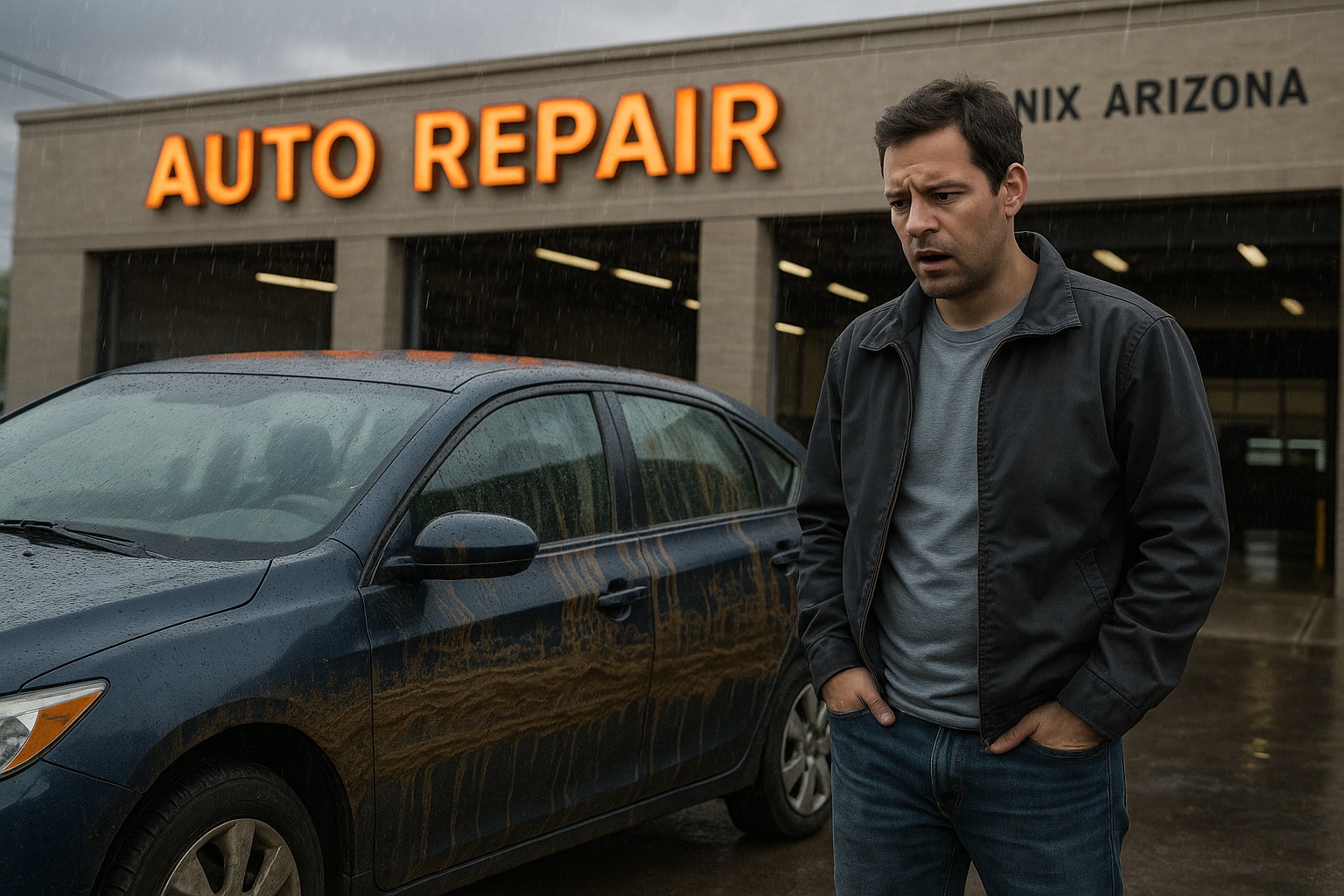
When Arizona Rains Strike: Protecting Your Car from Water Damage
Recent storms across the Phoenix metro left many drivers reeling from water damage to their vehicles. Local TV news captured a scene where a motorist attempted to drive through floodwaters only to face serious consequences. Jim Garnand, owner of Hi‑Tech Car Care, warned about the hidden costs of water damage in modern cars and offered critical advice.
Don’t Drive Through High Water — Your Car’s Electronics Can Suffer
One of the first rules Jim emphasizes: never drive through water that’s higher than halfway up your wheels.
With today’s cars relying on sophisticated electrical systems—sensors, wiring harnesses, ECUs—even modest water intrusion can spell trouble. As Jim noted, if water sneaks into the engine air intake, you risk hydro‑locking the engine, a catastrophic failure that can demand a full rebuild.
Water inside the cabin is another danger. Wet carpets and upholstery may lead to mold, odor, and hidden damage to low‑lying wiring or connectors that sit beneath seats. That’s why drying out fast is crucial. But more importantly, don’t start the car if you suspect water intrusion. Trying to run it before inspection can push water into components and worsen the damage.
What to Do If Your Car Has Water Damage
-
Tow it—don’t drive it.
As Jim advised in the news interview, have the car towed “as is” to a trusted shop. Driving it can make problems worse. -
Document everything.
Take comprehensive photos and video: inside, outside, engine bay, electrical components, carpets, and connectors. This evidence can help with insurance or repair negotiations. -
Inspect early and thoroughly.
Even if water seemed superficial, internal systems may already be compromised. Ask your technician to check the engine, electrical modules, wiring harnesses, and sensors—for signs of corrosion, shorts, or water ingress. -
Dry the interior fast.
Use wet/dry vacuums, dehumidifiers, or commercial drying systems. Ensure every hidden pocket—under seats, floor mats, door panels—is dried to avoid mildew or lingering damage. -
Watch for long‑term effects.
Corrosion can creep in slowly. Electrical gremlins, erratic sensors, or failing modules might show up months later unless preventive maintenance is done properly.
Why Water Damage in Vehicles is So Risky
Water does far more than splash your floor mats. It can:
-
Ruin sensitive electronics and cause electrical shorts
-
Damage engine and transmission internals
-
Corrode connectors, sensors, and wiring
-
Cause mold, odor, and structural damage to interior
-
Lead to failure of safety systems like airbags or ABS
National safety agencies warn that flood‑damaged vehicles often linger in the used market—some even cross state lines to hide their history.
Proactive Steps for Arizona Drivers
-
Always park on higher ground or in elevated lots during monsoon season
-
Check and maintain door seals, weatherstripping, and drainage channels
-
Avoid low-lying roads and shortcuts during storms
-
Keep a waterproof bag for your vehicle’s electronics (keys, OBD plugs)
-
Know your limits—if a road is flooded, don’t gamble
Also, be aware: Arizona’s “stupid motorist law” (ARS 28‑910) could hold you responsible for rescue and tow costs if you drive around barricades into floodwaters.
Hi‑Tech Car Care: Your Water Damage Ally
When storms strike, Hi‑Tech Car Care is ready to inspect, diagnose, and repair water damage properly. Thanks to Jim’s expertise and a team prepared for hidden wet spots, we help vehicles return to safe, reliable operation.
If you’ve been caught in heavy rain or suspect water damage in your vehicle—don’t wait. Call us today for a full inspection before corrosion or mold take root. Prevention now can save thousands in repairs later.